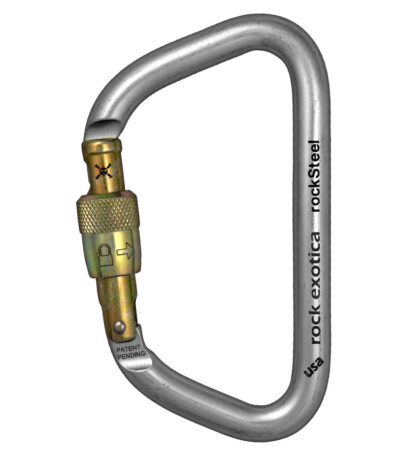
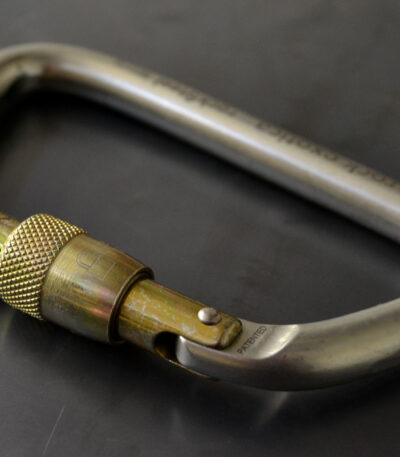
Mosquetón de rosca rockSteel
Consultar precio- Mosquetón de acero de 30 mm (1 3/16”) de abertura.
- Compuerta con seguro Screw-Lock.
- Nariz con sistema Keylock para evitar enganches involuntarios.
- Marco amplio, impresionantemente fuerte, pero liviano.
- Piezas mecanizadas con precisión para un funcionamiento suave y ergonómico.
- CE 0120, EN12275, EN362, ANSI Z359.12, NFPA G.
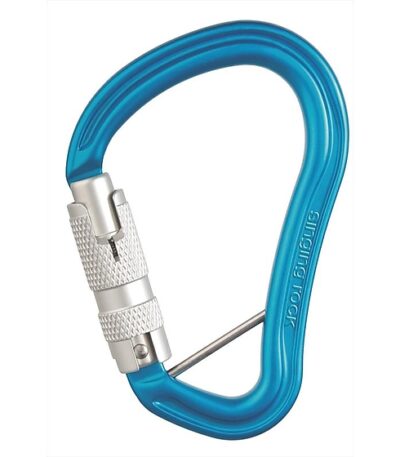
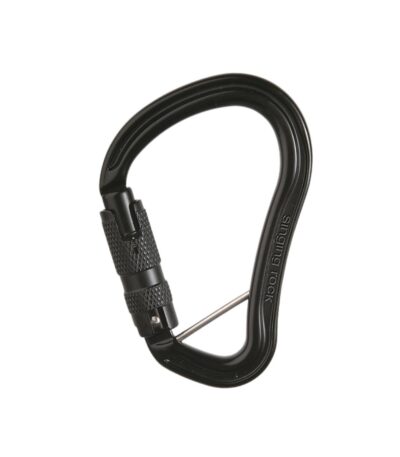
Mosquetón HECTOR BC / triple lock
Consultar precioMosquetón HMS de aleación ligera con bloqueo triple. Ideal para escalada, rescate y trabajos verticales. Alta resistencia y excelente manejo.
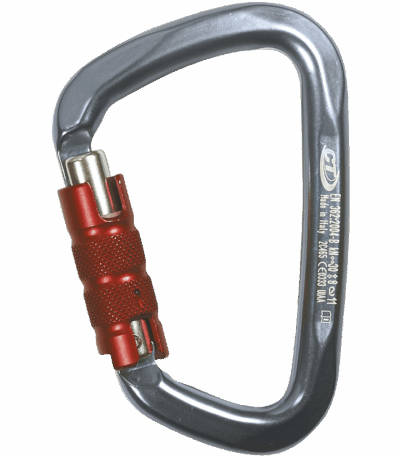
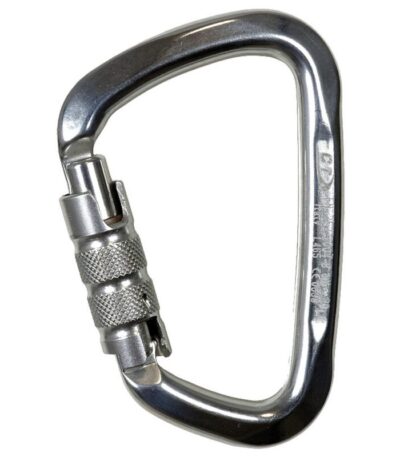
Mosquetón LARGE TG
Consultar precio«Mosquetón LARGE TG con cierre automático Triplex y parte inferior ancha. Ideal para rescate y alpinismo por su resistencia a grandes cargas. ¡Compra ahora!»
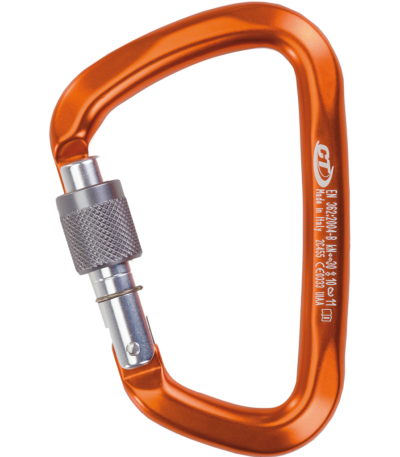
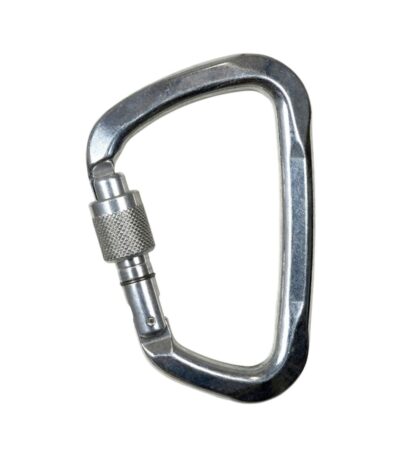
Mosquetón Multiuso LARGE SG
Consultar precio«Mosquetón LARGE SG de gran capacidad con cierre de rosca seguro. Ideal para rescate y alpinismo por su resistencia a cargas pesadas y diseño anti-enganche. ¡Compra ahora!»
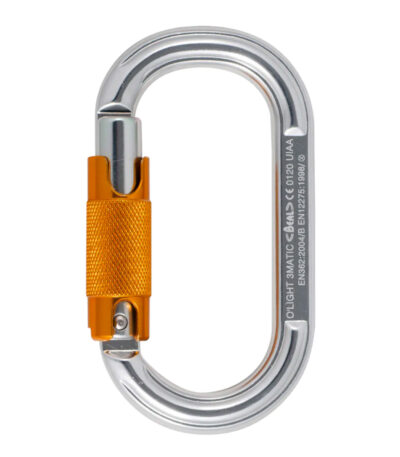
Mosquetón O’LIGHT 3-MATIC
Consultar precio- Mosquetón de aluminio de 17 mm (1/8”) de abertura.
- Compuerta con seguro 3-Matic.
- Diseño en óvalo que brinda estabilidad en la conexión con otros equipos.
- Sistema Keylock que evita enganches involuntarios.
- Número individual que facilita la trazabilidad.
- EN362, EN12275.
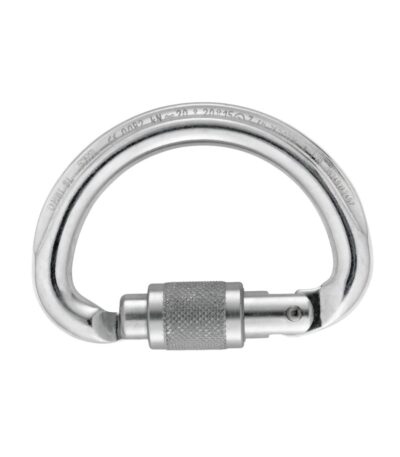
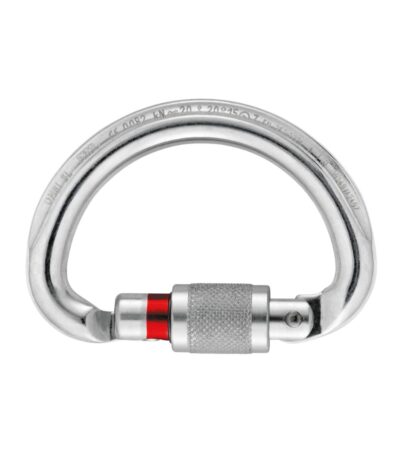
Mosquetón OMNI
Consultar precio«El mosquetón semicircular multidireccional OMNI cierra el arnés FALCON ASCENT o conecta bloqueadores CROLL. Resistencia de 15 kN en cualquier dirección. ¡Compra con envío seguro!»
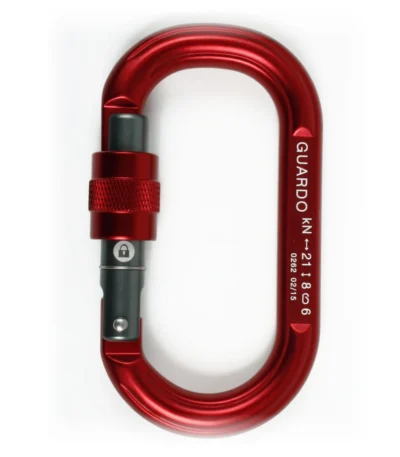
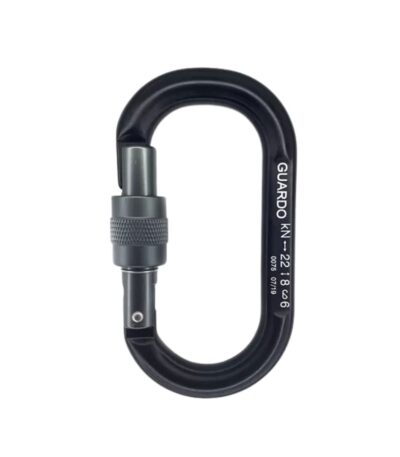
Mosquetón Oval con Seguro de Rosca GuardO – Edelweiss
Consultar precioMosquetón Oval con seguro de rosca Edelweiss con cierre de rosca, ideal para trabajos verticales, rescate y escalada. Seguro, ligero, certificado y ergonómico.
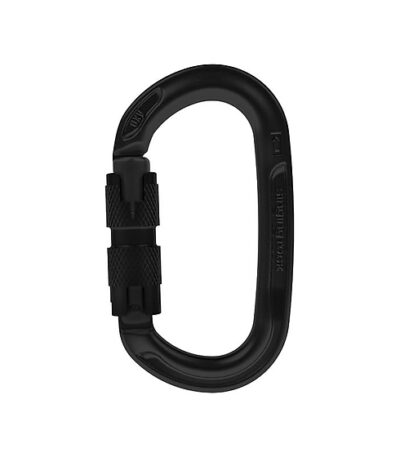
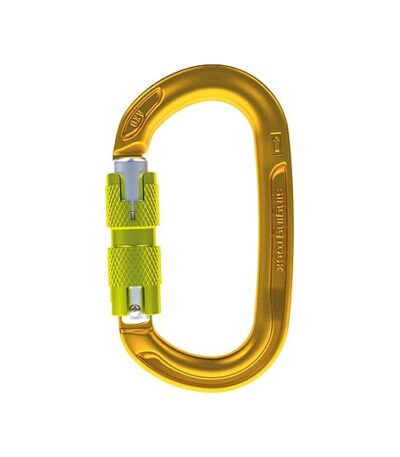
Mosquetón OXY / TWL
Consultar precioMosquetón OXY TWL negro de aleación ligera, ideal para poleas, ascensores y descensores. Diseñado con cierre de gatillo giratorio, sistema Keylock y forma ovalada para cargas simétricas. Fuerte, ligero y fácil de manipular
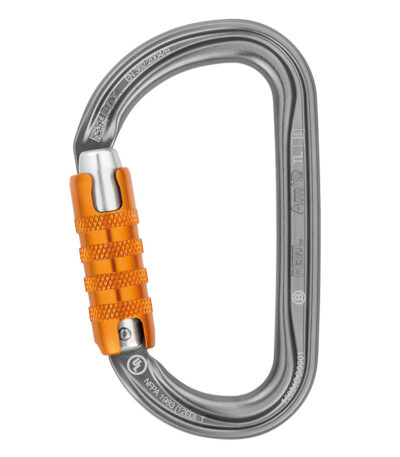
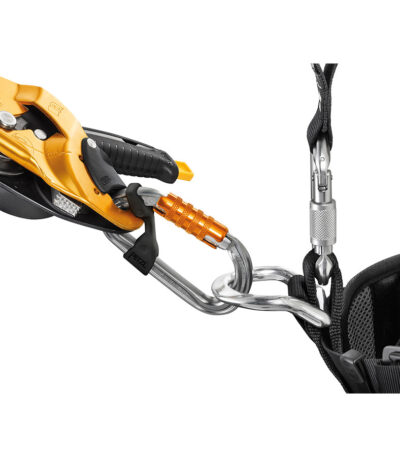
Mosquetón Petzl Am’D
Consultar precio- Mosquetón de aluminio de 25 mm de apertura.
- Diseñado con una forma en D.
- El Sistema Keylock facilita la manipulación del dispositivo.
- Cuatro sistemas de bloqueo disponibles: TRIACT-LOCK, BALL-LOCK, TWIST-LOCK y SCREW-LOCK.
- Perfil en forma de H que asegura la mejor relación resistencia/ligereza y protege los marcados de la abrasión.
- CE EN 362, EAC, NFPA 1983 Technical Use (Versiones TRIACT-LOCK, BALL-LOCK y SCREW-LOCK).
- CE EN 12275 (Versión TWIST-LOCK).
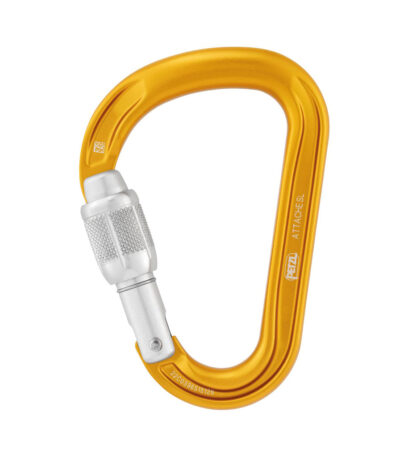
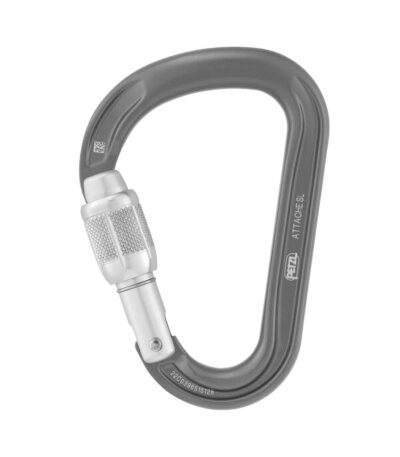
Mosquetón Petzl ATTACHE
Consultar precio- Mosquetón de aluminio de 23 mm de abertura.
- Forma de pera especialmente adecuada para hacer o deshacer fácilmente un nudo dinámico.
- Sistema Keylock que evita cualquier enganche involuntario.
- Bloqueo manual de rosca Screw-Lock con indicador rojo visible cuando el mosquetón no está bloqueado.
- CE EN 12275 type H, UIAA.
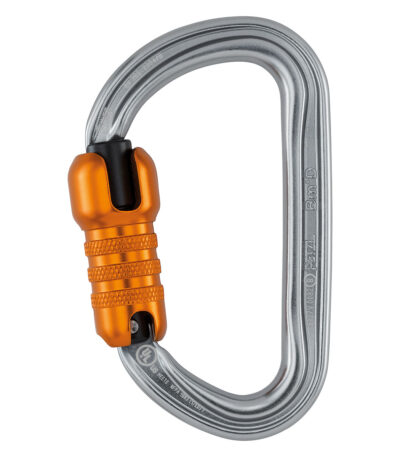
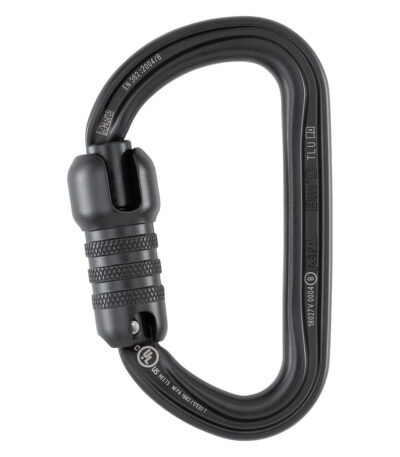
Mosquetón Petzl Bm’D
Consultar precio- Mosquetón de aluminio de 18 mm de abertura.
- Diseñado en forma en D especialmente adecuada para la conexión de aparatos.
- Sistema Keylock que evita cualquier enganche involuntario.
- Bloqueo automático con apertura de triple acción Triact-Lock.
- Casquillo reforzado para una mayor resistencia frontal y lateral del gatillo.
- CE EN 362, UKCA, EAC, ANSI Z359.12, NFPA 2500 Technical Use, CSA Z259.12.
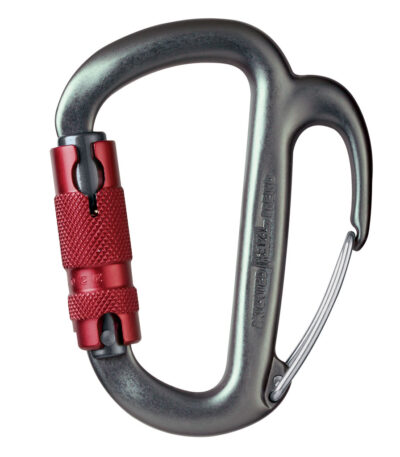
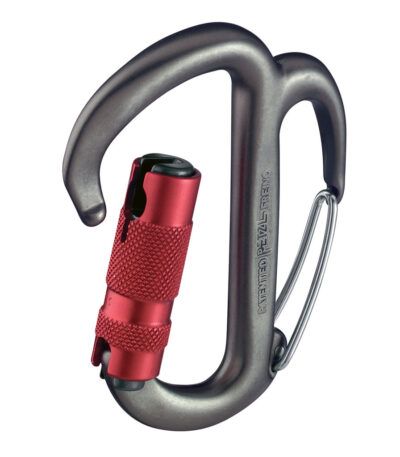
Mosquetón Petzl FREINO
Consultar precio- Mosquetón de aluminio de 15 mm de abertura.
- Gancho lateral que ayuda a producir más fricción y controlarla en casos de carga pesada.
- La cuerda pasa fácilmente por el gancho, sin abrir el mosquetón.
- Sistema Keylock que evita cualquier enganche involuntario.
- Bloqueo automático Twist-Lock.
- CE EN 362, CE EN 12275 type B, UKCA, UIAA.
Otras versiones disponibles:
- M042BA00: FREINO Z con seguro TRIACT-LOCK.
- M042AA00: FREINO Z con seguro TWIST-LOCK compatible únicamente con los descensores STOP y SIMPLE.